
Outdoor Allergies: Causes, Symptoms and Relief
Outdoor allergy sufferers: You’re not alone!
Allergic rhinitis, more commonly known as hay fever, affects 20 to 25% of Canadians.
The most common outdoor allergy trigger is pollen, a powdery substance released for fertilization by trees, grass, and weeds.
In early spring, tree pollen gets blown around. In late spring and early summer, it’s grass pollen. In late summer/early fall, it’s weed pollen and seasonal allergic rhinitis. But that all depends on your location, climate, and the local greenscape. In temperate climates, pollination can happen year-round.
Here’s what “allergy” actually means
An allergic reaction is the result of your immune system responding to an allergen, which is basically an irritant. When your body responds to an allergen, it produces antibodies called Immunoglobulin E (IgE). That causes your cells to release chemicals to rid the body of allergens. All those allergic symptoms — the sneezing, coughing, and congestion— are evidence of your body’s self-defense.
If you’re allergic, you’ll recognize these symptoms
Whenever pollen in the air increases, so can allergic reactions. Your body can be allergic to any type of pollen, and as the many different pollen counts fluctuate, an allergic reaction can be triggered.
The common signs and symptoms of adult outdoor allergies include:
- Runny/stuffy nose
- Itchy, red, and/or watery eyes
- Sneezing
- General congestion or sinus pressure
If you experience any of these symptoms, we recommend speaking with your healthcare provider or an allergist. Discuss your symptoms and get a proper diagnosis.
Tips for how to cope
It’s very difficult to avoid plant pollen, but there are a few things you can do:
- When you’re inside, keep doors and windows shut
- Run an air conditioner or air filter with certified allergy and asthma filters
- Avoid outdoor activities between 11:00 a.m.–3:00 p.m., when pollen counts are highest
- Wear a pollen mask
- Shower after being outdoors
- Avoid chores like mowing the lawn or raking leaves
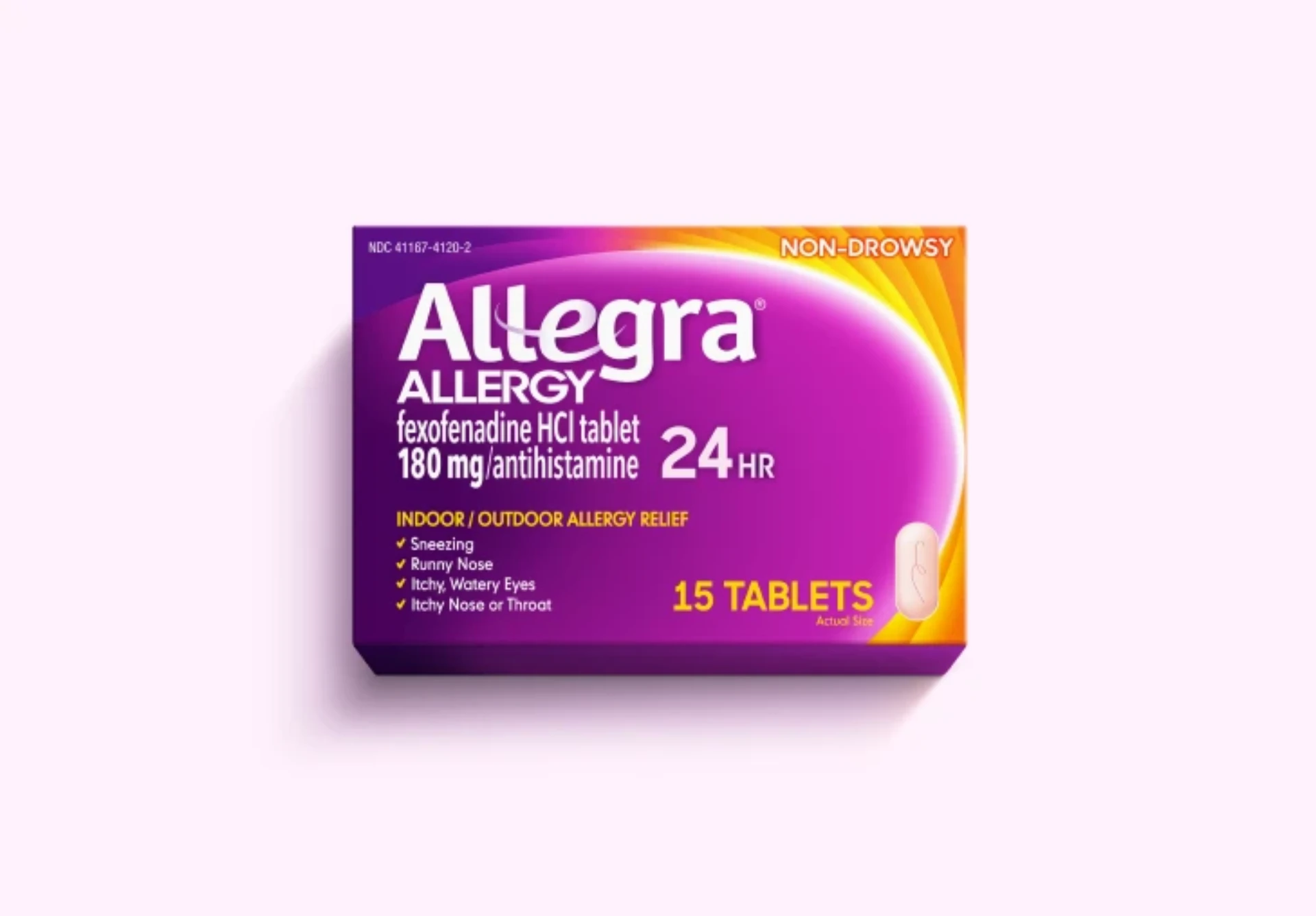
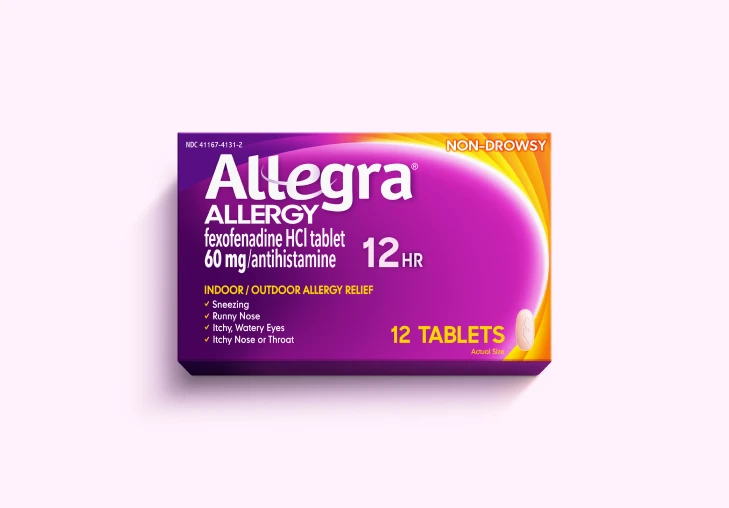
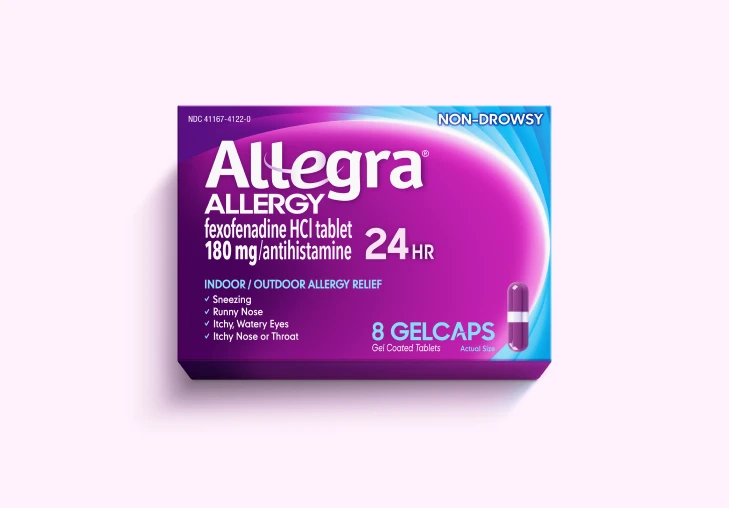
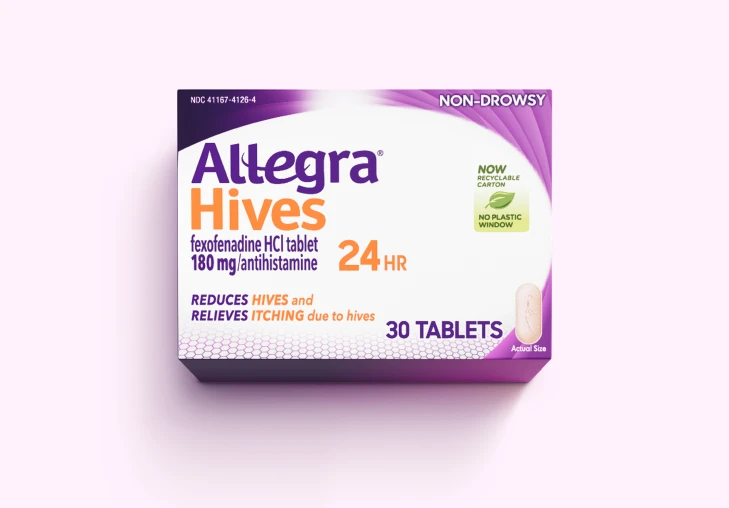
Find your Allegra®

Recommended Readings

References
- Asthma and Allergy Foundation of America, Editors. Allergy Facts and Figures, Asthma and Allergy Foundation of America (aafa.org), 2021. Revised October 5, 2021.
- Andrew Moore, MD, Reviewed. Outdoor Allergens, American Academy of Allergy, Asthma & Immunology (aaaai.org), September 28, 2020. Revised October 5, 2021.
- Andrew Moore, MD, Reviewed. Seasonal Allergies, American Academy of Allergy, Asthma & Immunology [acaai.org], December 28, 2017. Revised October 5, 2021
- Andrew Moore, MD, Reviewed. Indoor Allergens, American Academy of Allergy, Asthma & Immunology [aaaai.com], February 28, 2020. Revised October 5, 2021.
- Jonathan Corren, MD. Allergic rhinitis: Treating the adult, The Journal of Allergy and Clinical Immunology, June 1, 2000. Revised October 5, 2021.
- Asthma Canada, Editors. ALLERGIES: Understand and Manage Your Allergies, Asthma Canada, 2016.